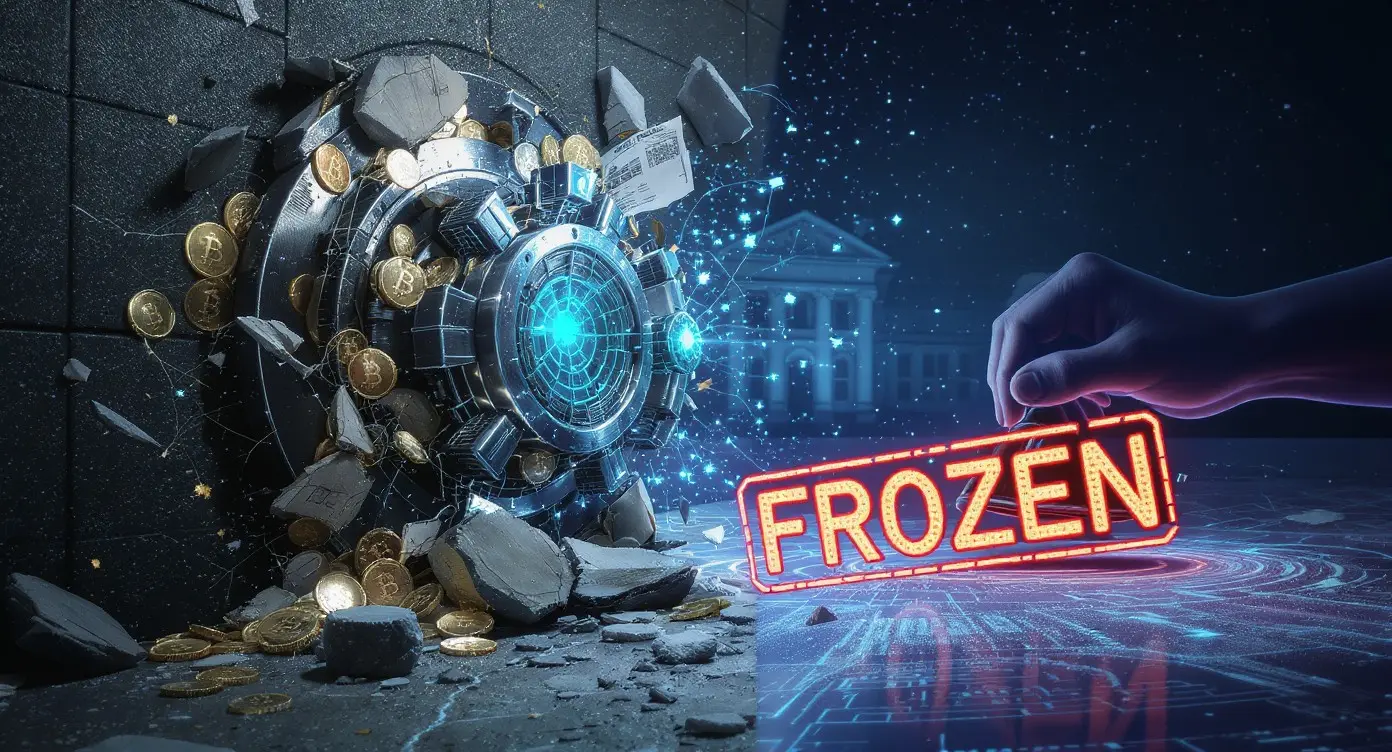
The digital asset market is contending with both stark reminders of operational risks and clear signals of growing institutional adoption, alongside expanding regulatory reach. In a concerning development, Poland's Zondacrypto exchange reportedly lost 99.7% of its Bitcoin holdings due to undisclosed factors, representing a catastrophic failure for users who entrusted their assets to the platform. This incident underscores the critical importance of due diligence and self-custody, demonstrating that even established exchanges can pose existential risks to customer funds.
Separately, stablecoin giant Tether froze over $213 million connected to Gurhan Kiziloz over alleged Brazilian gambling tax issues and an unregistered token sale. This action demonstrates increasing collaboration between stablecoin issuers and global law enforcement, reinforcing that large sums of centralized stablecoins are not immune to freezes or seizures if deemed linked to illicit activities. Meanwhile, Russia’s Sberbank, a major traditional financial institution, is preparing to enter crypto trading as the country moves towards clearer digital asset regulation. This signals a continued, albeit cautious, expansion of traditional finance into the crypto space.
These developments paint a mixed but evolving picture for digital assets. The Zondacrypto collapse is a direct downside for affected users and a warning for all, emphasizing the need for robust security and financial transparency in custodial services. Tether's freeze highlights inherent counterparty risk in centralized stablecoins and growing regulatory power. Sberbank's entry, however, points to long-term institutional upside, suggesting traditional finance players are still looking to integrate crypto, especially where regulatory frameworks emerge. Market participants should balance these opportunities with a heightened awareness of operational and compliance risks.