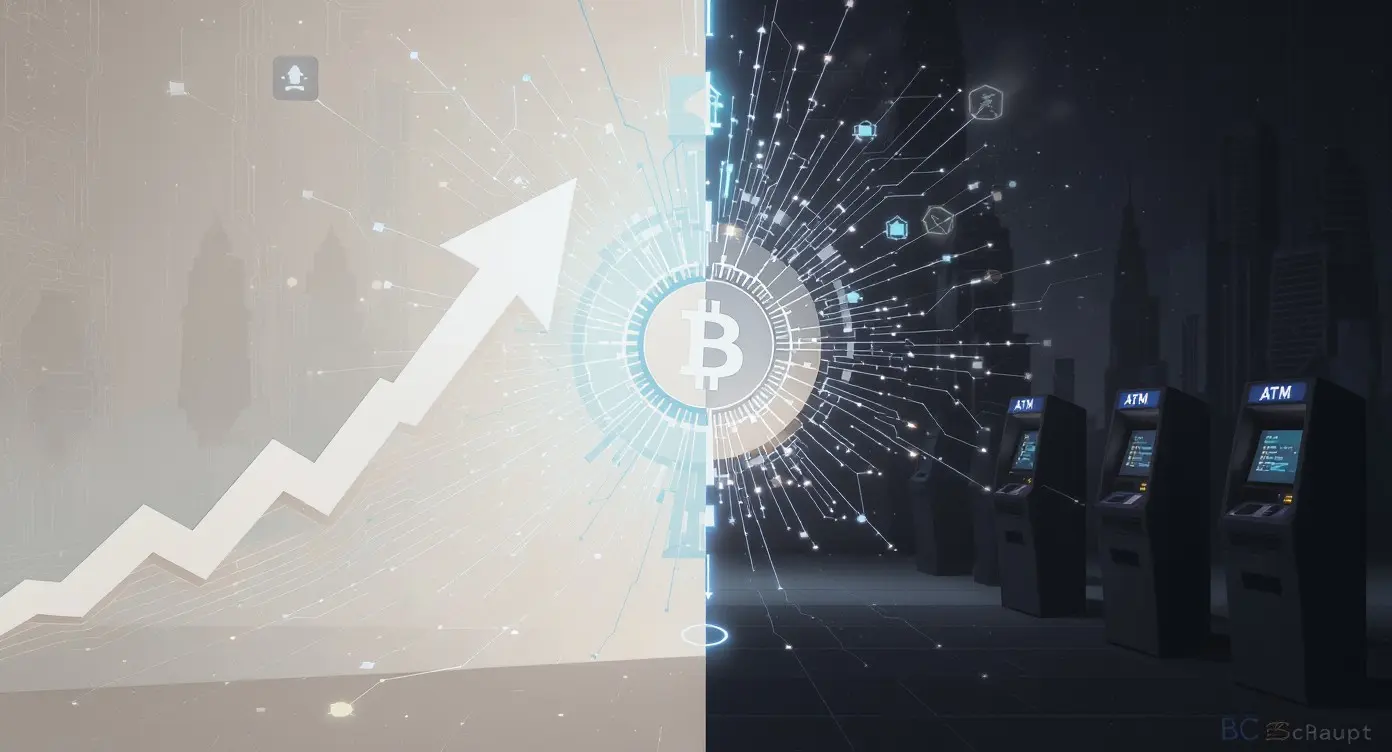
Institutional interest in Bitcoin Exchange-Traded Funds (ETFs) has seen a significant reversal, with over $1 billion in inflows recorded this week, marking the strongest demand in four months. This comes after recent periods of outflows and cooling sentiment, signaling a potential shift in how large investors are approaching the asset. The renewed capital injection into regulated Bitcoin products suggests a rebound in confidence among institutional players, which could provide a fresh tailwind for the broader crypto market.
Simultaneously, the United Kingdom is making strides in preparing its financial markets for the future of digital assets. New proposals from the UK aim to enable near-24/7 settlement capabilities, a crucial step to integrate tokenized assets into mainstream finance. This initiative is designed to support the growth of real-world asset (RWA) tokenization, allowing traditional assets like real estate or company shares to be traded digitally with greater efficiency and speed. Such market structure enhancements are vital for institutional adoption and long-term ecosystem development.
However, the retail side of the crypto market faces headwinds, as Bitcoin Depot, a major crypto ATM operator, has shut down its network of 9,000 machines following a bankruptcy filing. This move significantly reduces physical access points for individuals to buy and sell cryptocurrencies, particularly impacting less tech-savvy users or those who prefer cash transactions. The closure underscores ongoing challenges for some crypto-related businesses navigating market volatility and operational costs.
Overall, the market is presenting a mixed picture: strong institutional demand for Bitcoin ETFs and forward-looking regulatory progress in the UK offer clear upside for market structure and capital flows. However, the contraction in retail access, exemplified by the ATM network shutdown, highlights persistent friction points and downside for everyday users. Traders should note the renewed institutional appetite, while builders and long-term holders should watch the UK's tokenization efforts. Retail participants, meanwhile, face reduced convenience.