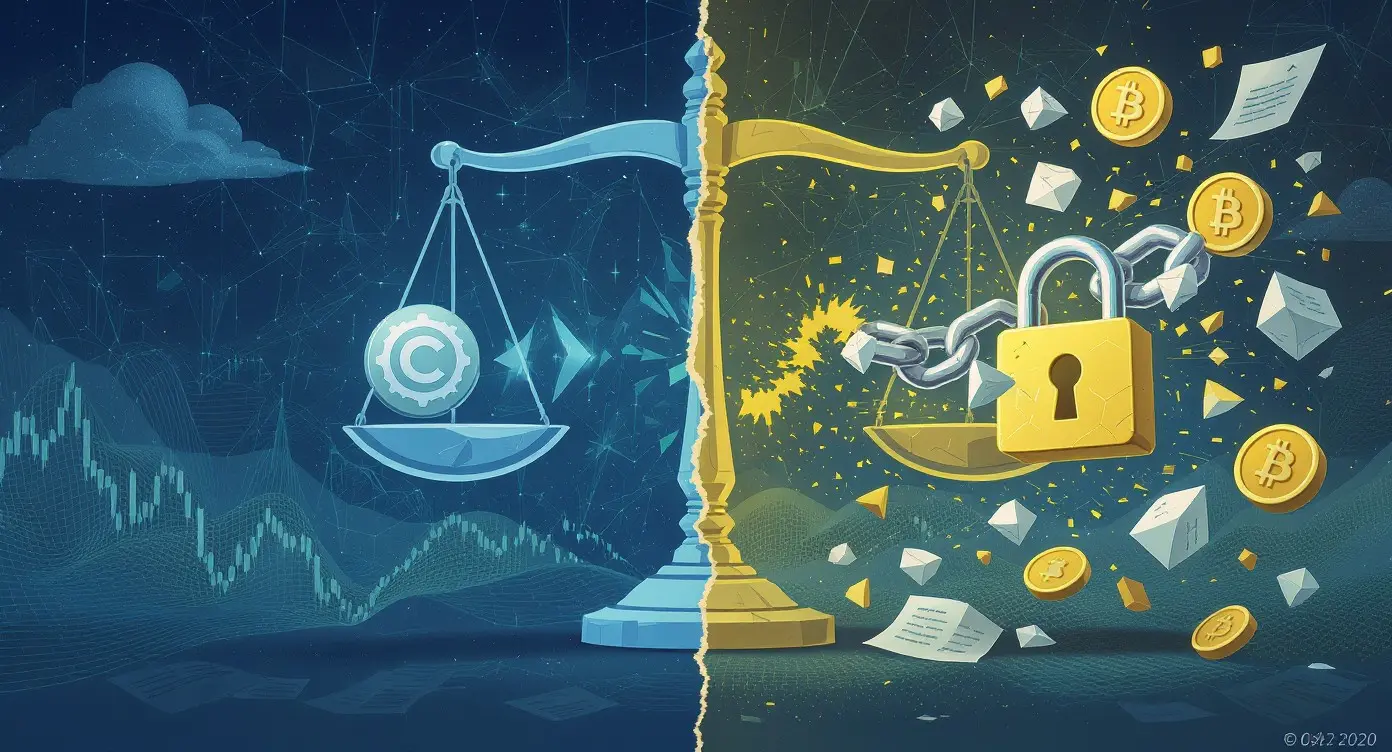
The U.S. digital asset landscape is seeing a mixed bag of regulatory progress and security setbacks, with the CFTC detailing new rules for crypto derivatives while facing questions about its internal oversight. The Commodity Futures Trading Commission (CFTC) has outlined how crypto assets can be used as margin for derivatives, a move that could streamline institutional participation in the derivatives market by increasing capital efficiency for regulated entities. This clarity is a step towards integrating digital assets more deeply into traditional finance, offering potential upside for market participants seeking regulated exposure.
However, this regulatory development comes amidst reports of internal pressure and scrutiny over the CFTC's oversight capabilities, particularly concerning prediction markets and other crypto firms. These concerns, including allegations of officials being pushed out, cast a shadow of uncertainty on the agency's ability to effectively regulate a rapidly evolving sector. For builders and market participants, such internal dynamics can lead to unpredictable regulatory shifts, adding a layer of risk to long-term planning.
Meanwhile, the digital asset market was hit by a significant security incident: a $2.8 million exploit impacting the StablR protocol, causing its EURR and USDR stablecoins to crash. This event serves as a stark reminder of the persistent security risks within the DeFi ecosystem, particularly for stablecoins. Users holding these specific stablecoins faced immediate downside, highlighting the critical need for robust security audits and risk management in decentralized finance.
Overall, the CFTC's move to clarify derivatives margin rules offers a potential upside for institutional engagement, but the internal scrutiny introduces regulatory risk. The StablR exploit is a clear downside for affected users and underscores the ongoing security challenges in DeFi. Market participants, especially those involved in derivatives trading or holding stablecoins, should pay close attention to both regulatory stability and protocol security.