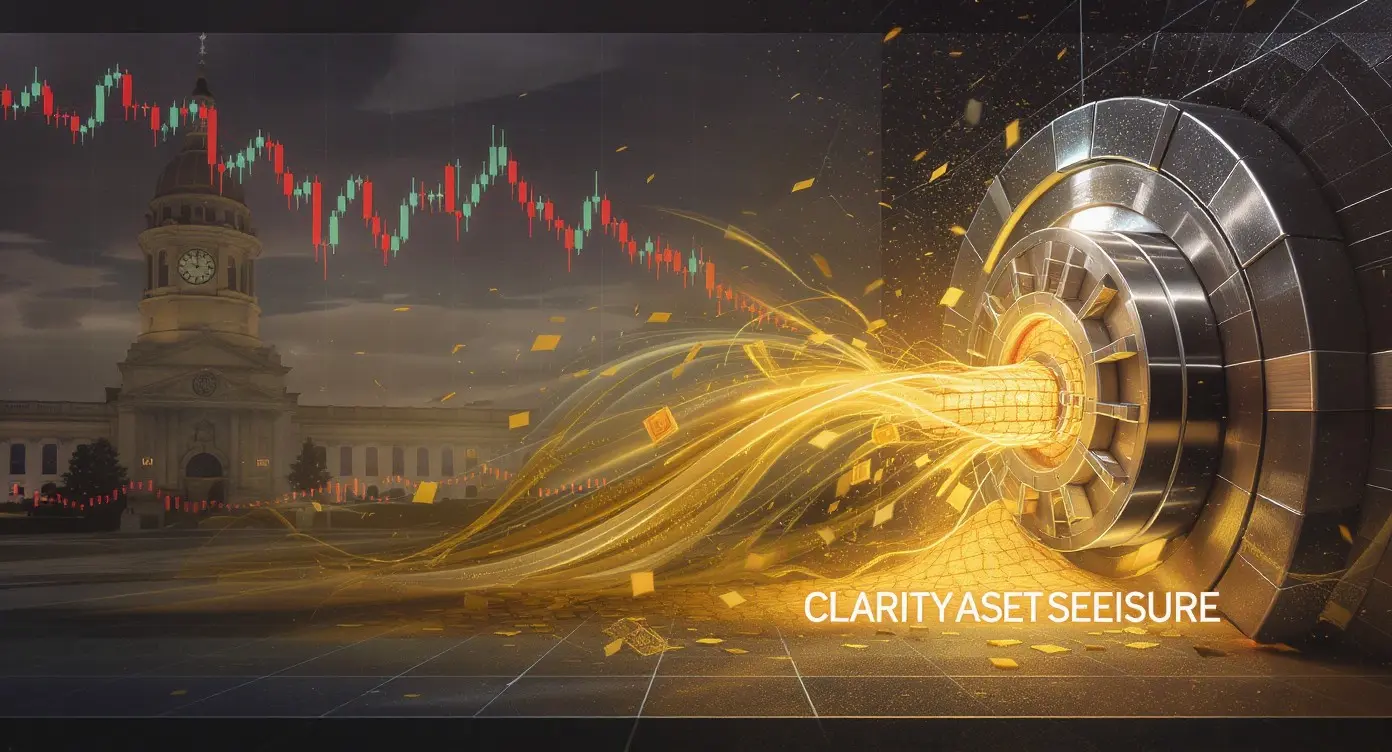
U.S. law enforcement has executed a massive global crackdown, seizing an unprecedented $8.2 billion in crypto assets linked to various illicit schemes. This monumental seizure underscores the escalating capabilities of regulators to trace and confiscate digital funds, sending a clear message to bad actors and highlighting enhanced security for legitimate market participants.
Meanwhile, U.S. Senator Cynthia Lummis has issued a stark warning regarding the CLARITY Act, stating that if the landmark crypto market structure bill fails to pass Congress this year, the next opportunity for such legislation may not arise until 2030. This creates significant urgency for a bill designed to classify stablecoins and certain other digital assets, offering much-needed regulatory clarity for builders and investors alike. Its passage would provide a defined legal framework, reducing uncertainty and potentially unlocking further institutional adoption.
Adding to the evolving market structure, Coinbase has reportedly become the first U.S. exchange to secure approval for offering global perpetual futures contracts. This move expands the reach of a major regulated platform into a highly liquid derivatives market that has largely operated offshore. For traders and institutions, this means new avenues for hedging and speculation on a regulated U.S.-based platform, potentially shifting significant volume back onshore and increasing market maturity.
Overall, these developments present a mixed picture. The massive enforcement action signals enhanced risk reduction for users from illicit activity but also showcases the long arm of the law in the digital realm. The CLARITY Act's ticking clock introduces both upside potential for regulatory certainty and downside risk if it stalls, leaving stablecoins in limbo. Coinbase's global perpetuals approval is a clear upside for market participants seeking regulated derivatives access. Investors and builders should carefully watch legislative progress and remain vigilant against scams while embracing regulated avenues.