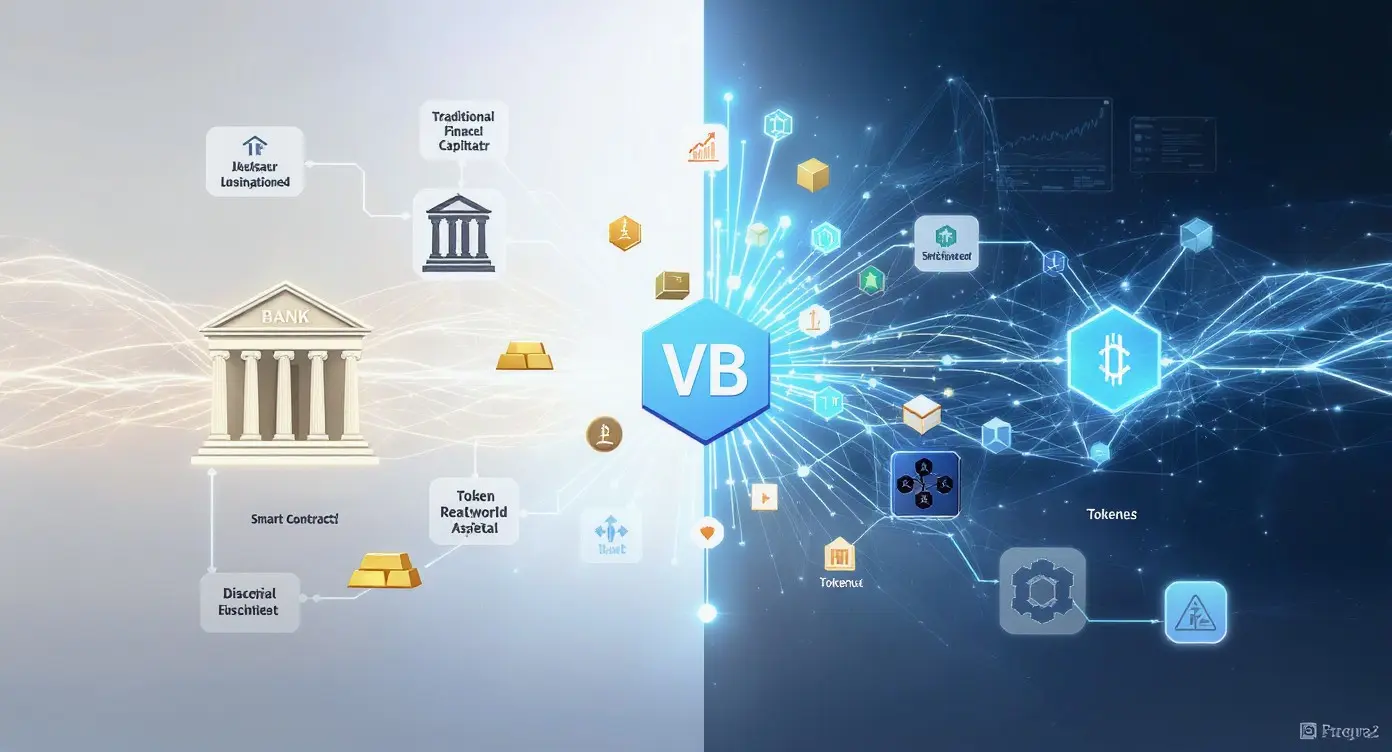
The digital asset landscape is witnessing a strategic pivot by major players aiming to bridge traditional finance with Web3, alongside significant infrastructure expansion and novel real-world asset (RWA) applications. Leading decentralized finance (DeFi) protocol Aave is specifically targeting institutional capital for its upcoming V4, planning to leverage an "Arc blockchain" to create a permissioned environment. This move signals a growing maturity in DeFi, seeking to attract large-scale traditional investors by offering compliant and controlled access to on-chain liquidity, which could unlock substantial new capital for the ecosystem.
Meanwhile, centralized exchanges are pushing deeper into decentralized infrastructure. OKX has launched its "Exchange OS" on X Layer, its proprietary Layer 2 network. This initiative aims to integrate the exchange's vast user base and services directly onto a scalable blockchain, enhancing efficiency and user experience for a wide range of digital asset activities. Such developments suggest a future where the lines between centralized and decentralized services blur, with exchanges building their own on-chain ecosystems to retain and grow their market share.
Further demonstrating the convergence of traditional and digital assets, Datavault AI has introduced 24/7 trading for tokenized gold and copper via perpetual contracts. This enables continuous, blockchain-based derivatives trading on real-world commodities, providing new liquidity and accessibility for assets traditionally confined to limited trading hours. This expansion of tokenization into core commodities highlights the practical utility of Web3 for expanding market access and creating new financial instruments.
Overall, these developments represent a clear upside for the digital asset market, demonstrating a sustained drive towards institutional integration, scalable infrastructure, and the practical application of tokenization. Market participants, builders, and institutional investors should pay close attention, as these trends are laying the groundwork for broader adoption and new investment opportunities, reducing perceived risk by building more robust and compliant pathways.