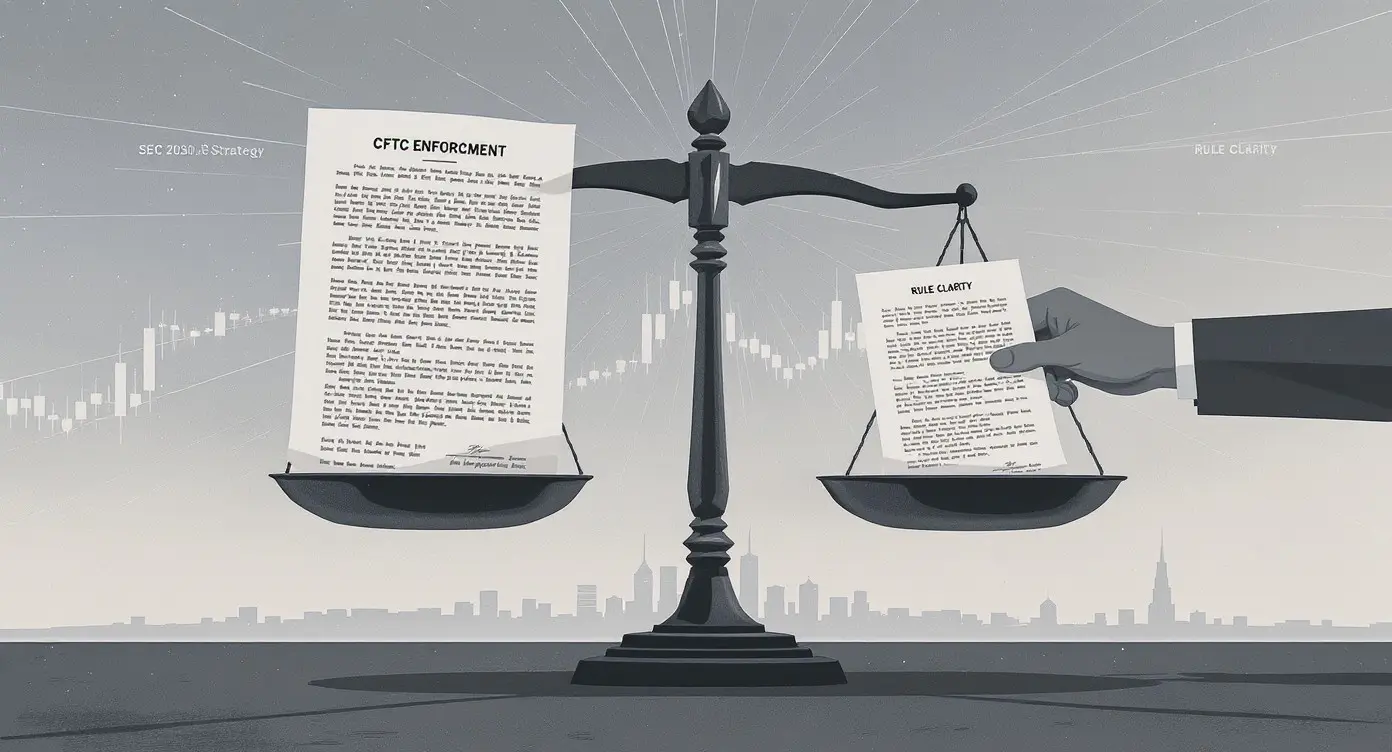
The U.S. digital asset regulatory environment is facing a major shake-up as the Chairman of the Commodity Futures Trading Commission (CFTC) moves to reverse a $5 million settlement against crypto exchange Gemini. This extraordinary development follows the Chairman's allegation that the original enforcement action was politically motivated, raising serious questions about the integrity of past regulatory decisions and potentially signaling a new era of scrutiny over how enforcement actions are initiated.
This move by the CFTC Chairman could undermine confidence in previous regulatory actions and create uncertainty for firms navigating the existing legal landscape. For market participants, it suggests that some past penalties might be revisited, offering a glimmer of hope for firms that felt unfairly targeted. However, it also highlights the deeply politicized nature of crypto regulation, which can introduce instability rather than clarity.
Adding to the evolving regulatory picture, the Securities and Exchange Commission (SEC) has unveiled its 2030 strategy, explicitly listing crypto rule clarity as a top priority. This forward-looking commitment from the SEC indicates a long-term plan to establish clear guidelines for digital assets, which is crucial for institutional adoption and broader market certainty. While the immediate impact is limited, it signals a strategic shift towards providing much-needed regulatory frameworks.
Overall, these developments present a mixed picture. The CFTC's internal dispute introduces significant regulatory risk and uncertainty, casting a shadow over past enforcement. In contrast, the SEC's long-term focus on clarity offers potential upside for market structure and institutional participation. Market participants, especially those involved in U.S. operations or considering institutional engagement, should closely monitor these regulatory shifts.