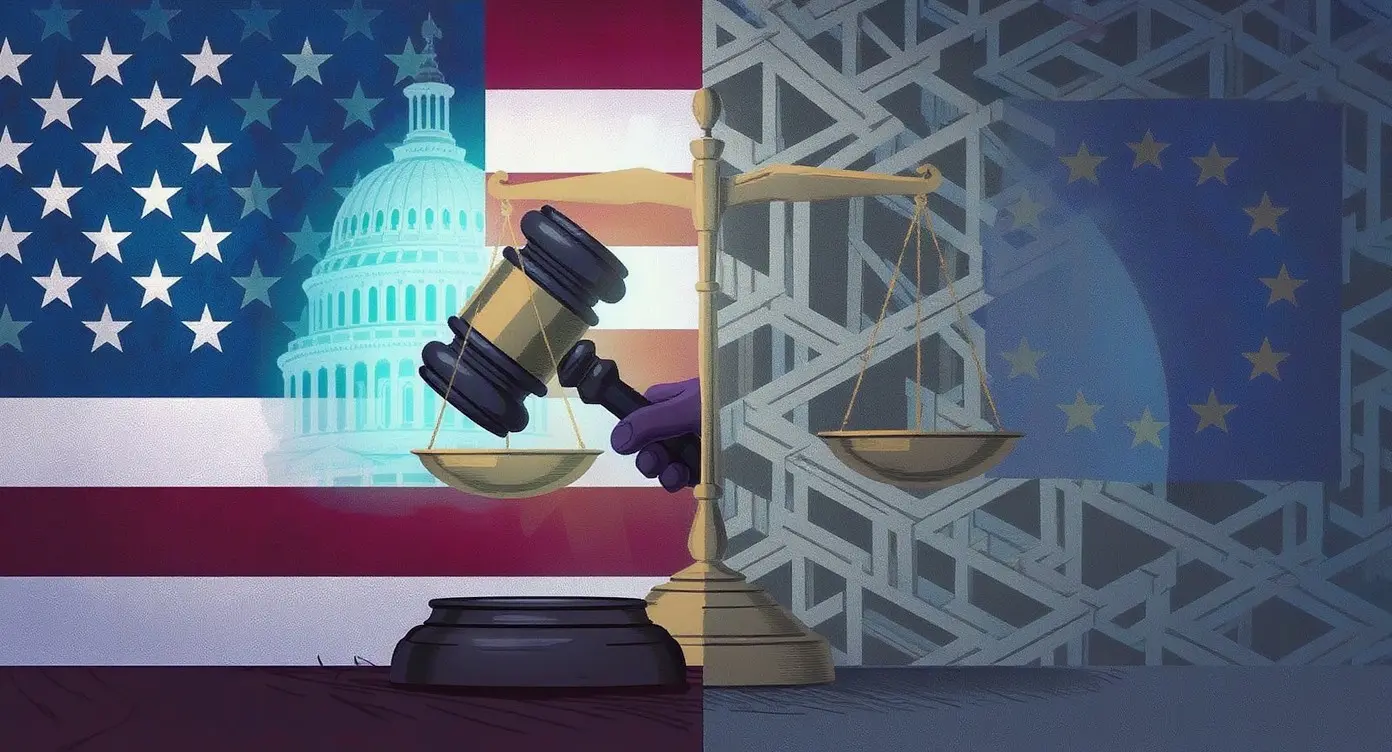
The U.S. crypto regulatory landscape is facing a significant shake-up as the Chair of the Commodity Futures Trading Commission (CFTC) alleges that the agency's enforcement action against Gemini, the crypto exchange founded by the Winklevoss twins, was politically motivated. This extraordinary claim suggests that the previous administration used regulatory power to target specific crypto firms, casting a shadow over past enforcement actions and raising questions about the fairness of the regulatory process. For market participants, this development could signal a shift toward greater regulatory scrutiny of government agencies themselves, potentially leading to more transparent and less politically charged enforcement in the future.
This allegation by a top U.S. regulator highlights the ongoing struggle for consistent and fair crypto oversight. If proven, it could lead to a re-evaluation of how regulatory bodies approach digital assets, potentially reducing the arbitrary risk faced by businesses operating in the U.S. crypto space. While it doesn't immediately change market rules, it signals a potential for a more level playing field, which could be a long-term upside for builders and investors.
Meanwhile, across the Atlantic, European crypto firms are struggling to meet the upcoming Markets in Crypto-Assets (MiCA) regulation deadline. Reports indicate that only 7% of European crypto providers have secured the necessary MiCA licenses, despite the July implementation deadline fast approaching. This low adoption rate points to significant challenges for many existing businesses, suggesting that the European crypto market is poised for major consolidation as smaller or less prepared firms may be forced to exit or merge.
The combination of shifting regulatory narratives in the U.S. and compliance hurdles in Europe creates a mixed picture. While the U.S. news offers a glimmer of hope for fairer regulatory practices, the EU situation highlights the practical difficulties and costs of new compliance frameworks. Market participants and builders should watch for continued clarity in U.S. enforcement and prepare for a more consolidated, regulated European market. This looks like a long-term upside for regulatory certainty, but also short-term risk for unprepared businesses.