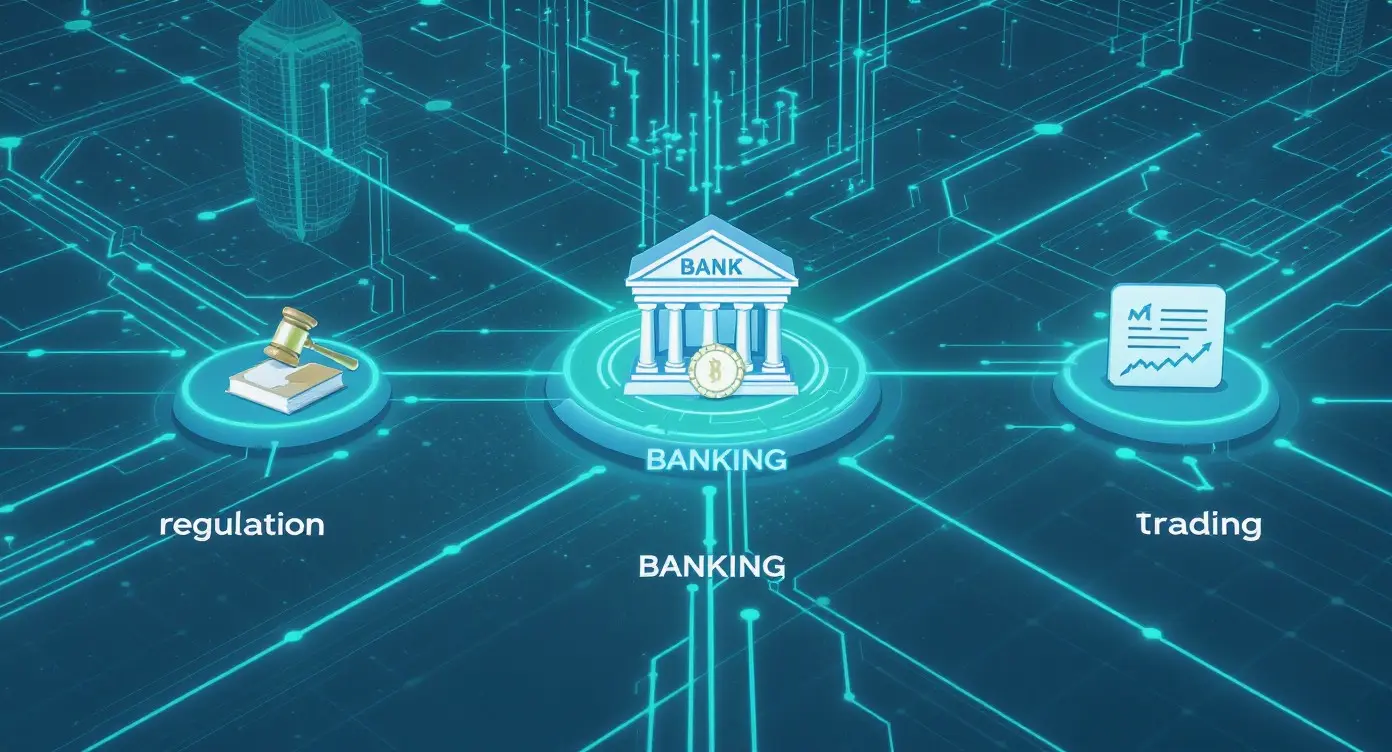
The U.S. regulatory landscape for digital assets is undergoing a critical shift, with the Commodity Futures Trading Commission (CFTC) abolishing its decades-old "no-deny" policy in enforcement settlements. This move, mirroring a similar change by the SEC, means firms settling with the CFTC will now be required to admit or deny wrongdoing, signaling a new era of increased accountability for crypto companies operating in the U.S.
In a significant step for mainstream adoption, SoFi has become the first U.S. national bank to offer bank-issued stablecoins directly to retail users. This development opens a regulated pathway for everyday consumers to access digital currencies backed by traditional financial institutions, bridging the gap between conventional banking and the crypto economy. It represents a practical stride in bringing stablecoins into daily financial use, offering greater stability and regulatory clarity for users.
Further expanding regulated access to crypto markets, Coinbase has secured approval from the CFTC to launch perpetual futures contracts for its U.S. customers. This builds on recent moves to bring high-demand derivatives onshore, offering a regulated environment for traders to engage with these popular, high-leverage products. For market participants, this means more compliant options for advanced trading strategies and potentially deeper liquidity within the U.S. regulatory perimeter.
These developments collectively point to a maturing U.S. digital asset market, characterized by both stricter enforcement and expanding regulated access. While the broader market continues to grapple with sustained ETF outflows and price volatility, these structural changes represent a long-term upside for the industry, fostering greater institutional confidence and paving the way for wider adoption. Builders and market participants seeking clarity and compliant avenues should pay close attention to these evolving frameworks.