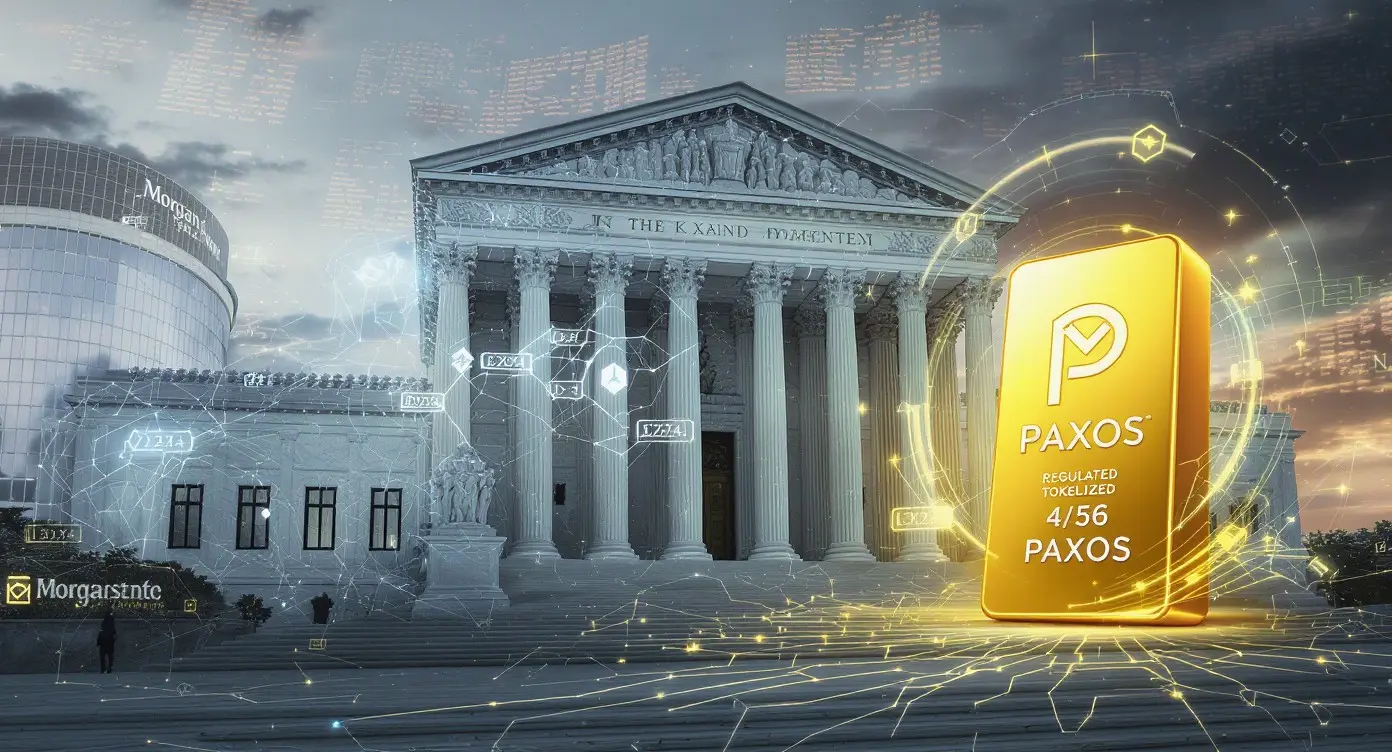
The U.S. regulatory landscape for digital assets is undergoing a significant shift as the Supreme Court has backed the enforcement powers of federal agencies, including the Securities and Exchange Commission (SEC). This pivotal decision reaffirms the broad authority of regulators to oversee financial markets, which will likely embolden the SEC in its ongoing efforts to police the crypto space. For market participants, this means a continued environment of heightened scrutiny and potentially more aggressive enforcement actions against non-compliant entities.
In a contrasting but equally important development, Paxos, a regulated blockchain infrastructure company and stablecoin issuer, has achieved a historic SEC registration. This landmark approval for Paxos sets a significant precedent, offering a pathway for other digital asset firms to operate under clear regulatory guidelines, particularly for tokenized assets like PAX Gold. It signals that while enforcement is strengthening, legitimate and compliant digital asset ventures can gain formal recognition within the traditional financial system, paving the way for more regulated innovation.
Further demonstrating the deepening integration of digital assets into traditional finance, Morgan Stanley has introduced a new program enabling its clients to lend Bitcoin for crypto ETF conversions. This innovative offering allows institutional and high-net-worth clients to generate yield on their Bitcoin holdings by facilitating the creation and redemption process for Bitcoin exchange-traded products. This move highlights a growing sophistication in institutional engagement, moving beyond simple spot exposure to more complex, yield-generating strategies within a regulated framework.
This week presents a mixed but clarifying picture for the digital asset market. The Supreme Court's ruling suggests increased regulatory risk for speculative or non-compliant projects, while Paxos's registration offers a clear upside for compliant tokenization and stablecoin issuers. Morgan Stanley’s initiative points to greater institutional opportunity for yield and deeper market integration. Market participants, especially those in DeFi and tokenization, should pay close attention to the evolving regulatory boundaries and opportunities for compliant growth.