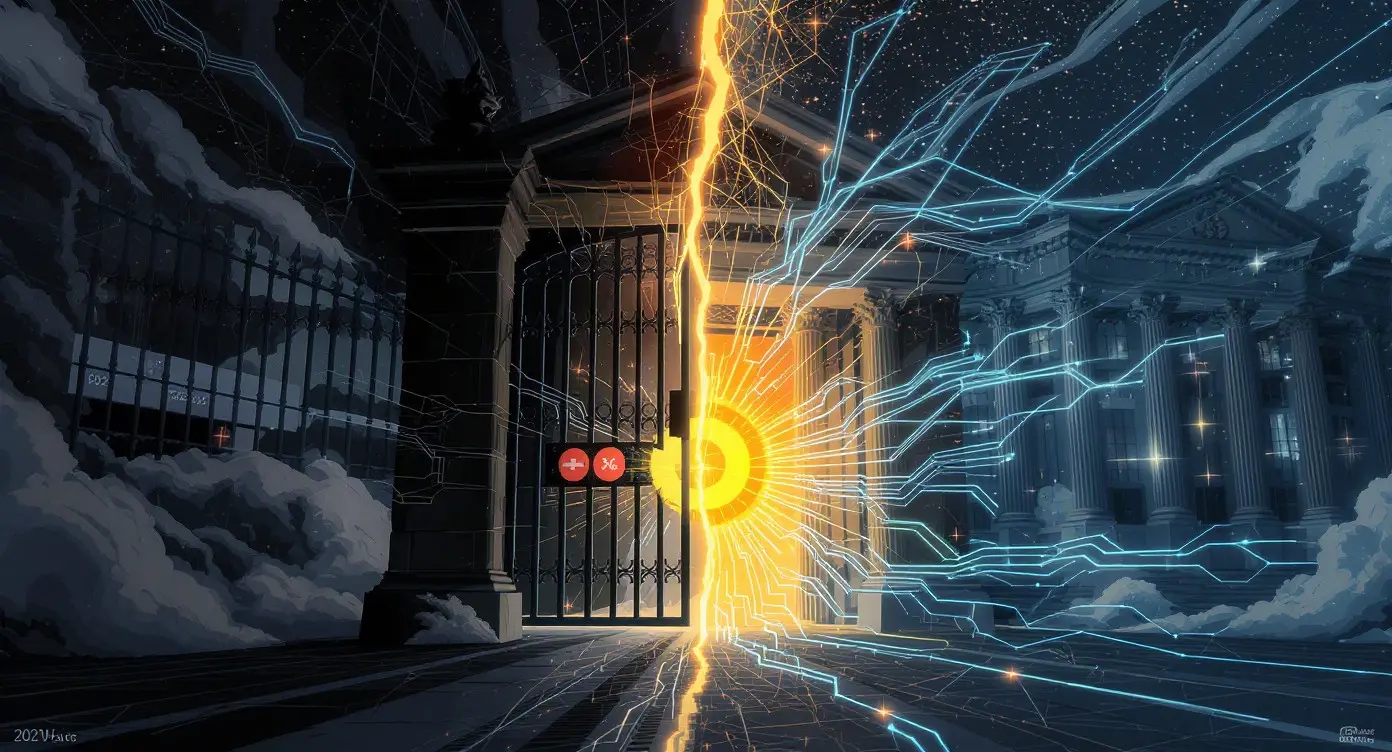
The European digital asset market is bracing for a significant shake-up as the July 1 MiCA deadline approaches, revealing that only a handful of exchanges are licensed to operate. Meanwhile, major banks and payment giants like Mastercard are quietly building new tokenized networks to handle future digital asset settlements, signaling a strategic pivot by traditional finance into compliant Web3 infrastructure.
The impending MiCA regulation in the EU is forcing a dramatic consolidation, with reports indicating only 14 crypto exchanges have secured the necessary licenses to continue serving European users. This regulatory bottleneck means that many platforms will be unable to offer services, potentially shrinking market access and concentrating trading volume among a few compliant players. For ordinary participants, this translates to fewer choices and a potentially more constrained, but also more regulated, trading environment.
In parallel, traditional finance is making strategic moves behind the scenes. Big banks are reportedly developing a "tokenized deposit network" as a compliant alternative to stablecoins, while Mastercard is launching its own stablecoin settlement network. These initiatives aim to bring the efficiency of blockchain-based payments into regulated banking systems, offering a potential answer to the stablecoin challenges posed by new laws like the CLARITY Act. This is a significant step towards real-world asset tokenization and integrated digital payments for institutions.
These twin developments paint a picture of an increasingly bifurcated digital asset landscape: one where retail access is constrained by stricter regulation, and another where institutional players are rapidly building out compliant, tokenized infrastructure. For traders and users in the EU, this points to increased regulatory risk and potentially reduced market liquidity. For long-term holders and builders, the institutional moves represent significant upside, signaling genuine adoption and the laying of foundational rails for future growth, but only within strict regulatory guardrails.