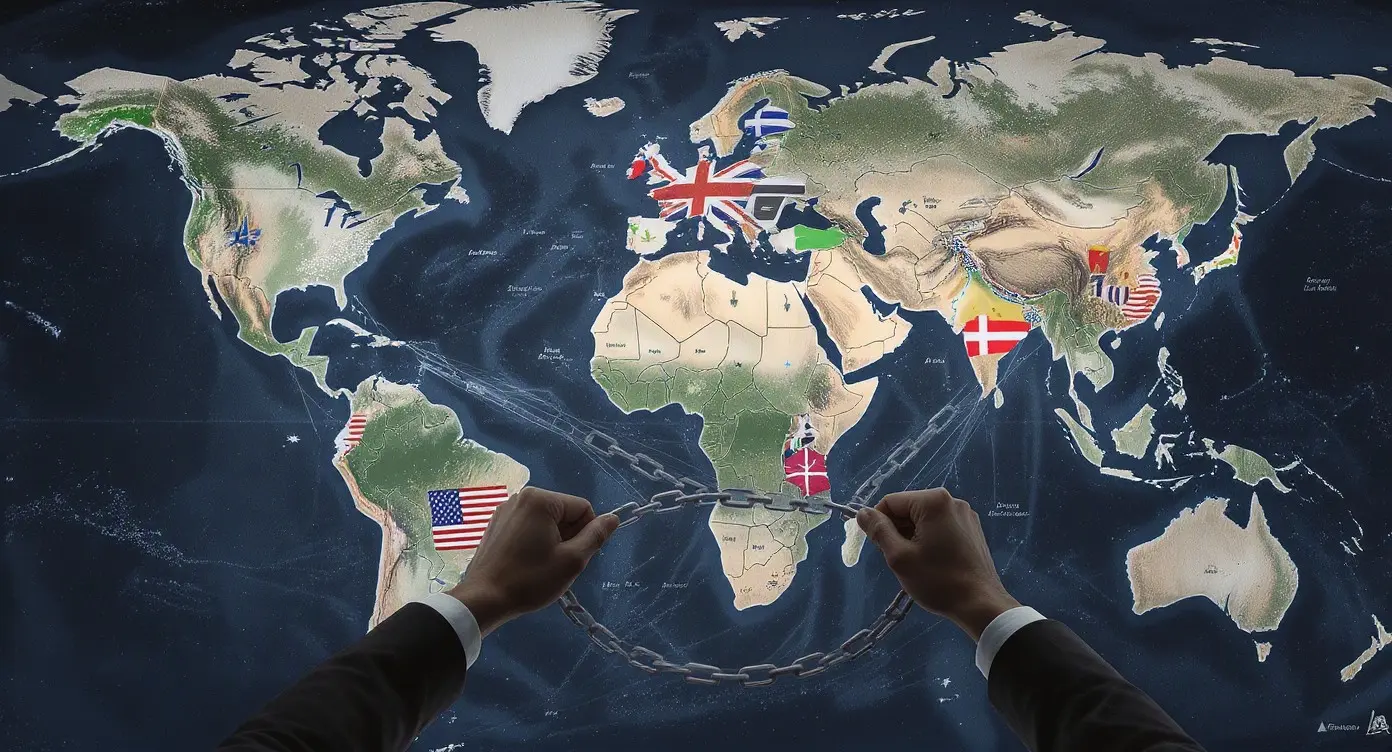
The global regulatory landscape is rapidly formalizing and tightening, with significant new moves from the Philippines, Nigeria, and Dubai signaling a worldwide push for greater control over digital assets. This trend impacts market access, asset viability, and operational compliance for crypto firms and users globally, reshaping where and how digital assets can be bought, sold, and held.
The Philippines has escalated its crypto oversight by banning privacy coins and implementing stricter listing standards for exchanges. This directly targets assets like Monero and Zcash, making them illegal for trading within the country. For users and exchanges in the Philippines, this means immediate delisting and reduced access to certain digital assets, representing a direct downside risk for privacy coin holders and a significant compliance challenge for platforms operating there.
Simultaneously, Nigeria's Senate has advanced a comprehensive crypto regulation bill through its second reading, moving closer to establishing a formalized licensing framework for exchanges. In the UAE, Dubai's Virtual Assets Regulatory Authority (VARA) has tightened Anti-Money Laundering (AML) rules, requiring firms to track FATF blacklists in real time. These developments in two major emerging markets push for greater legitimacy and transparency, creating a clearer operating environment for compliant businesses while increasing the burden on those that fall short.
This wave of regulatory action from diverse jurisdictions underscores a global trend: governments are no longer just observing crypto but actively shaping its future through bans, licensing, and stringent compliance. For market participants, builders, and curious beginners, this means a more mature, but also more restricted, ecosystem is emerging. It's a mixed bag of risk reduction for legitimate operations and significant downside for assets or practices deemed non-compliant.