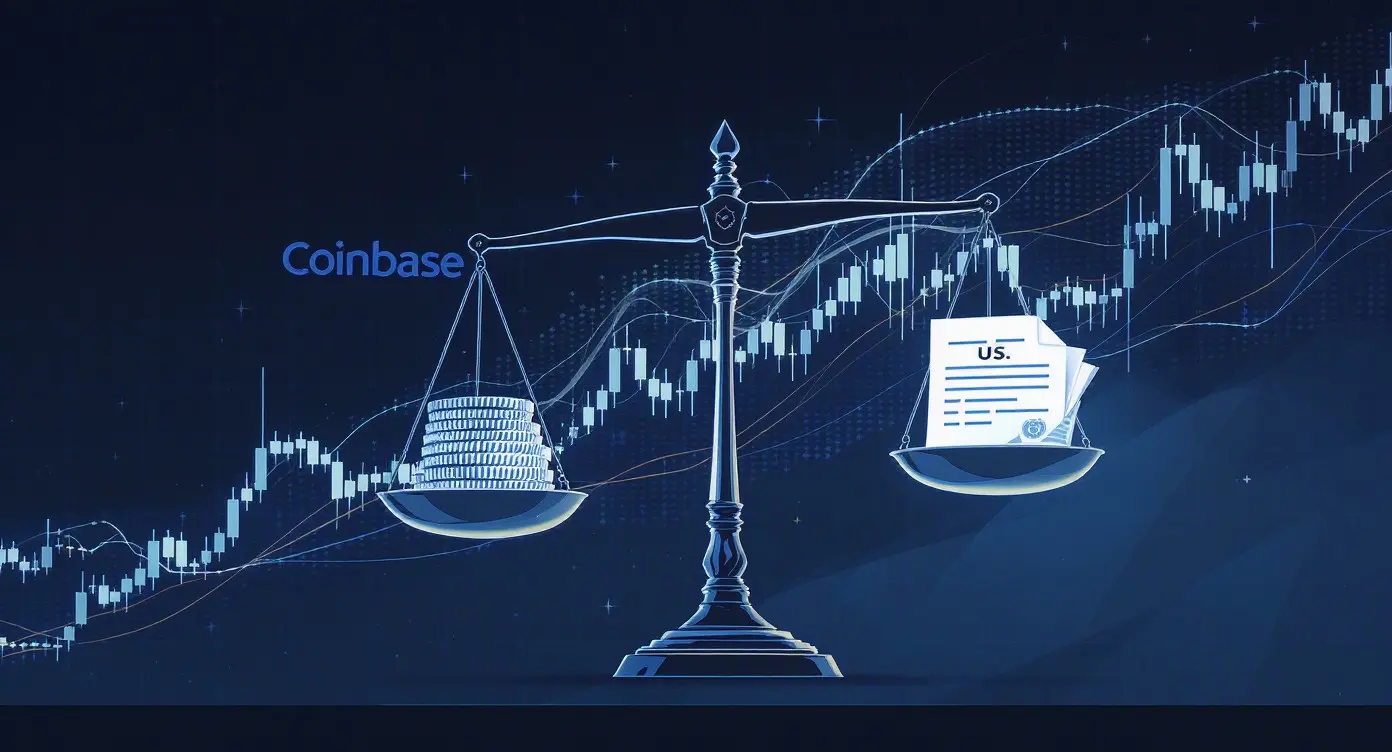
The digital asset landscape is seeing a dual push toward broader institutional integration and tighter regulatory oversight, with Coinbase preparing to launch tokenized stock trading and crypto options, while US federal agencies intensify their focus on stablecoin regulation. Coinbase's move signifies a major step in bridging traditional finance with Web3, offering new, regulated avenues for investors to access real-world assets and sophisticated derivatives. This expansion provides a direct, regulated path for institutions and retail alike to engage with tokenized securities, potentially unlocking massive capital flows into the digital asset space.
Simultaneously, the US Government Accountability Office (GAO) is pressing the Federal Deposit Insurance Corporation (FDIC) for greater coordination on crypto and stablecoin supervision. This comes as new proposals emerge for comprehensive stablecoin banking regulation, aiming to solidify oversight and mitigate risks associated with digital currencies backed by traditional assets. For market participants, this regulatory push indicates a growing commitment to ensuring stablecoins are integrated safely into the financial system, reducing systemic risk and promoting market integrity, especially for those involved in payments and cross-border transactions.
These developments signal a period of both significant upside potential through new product offerings and increased risk reduction via enhanced regulatory clarity. Builders and institutional investors should pay close attention to Coinbase's expanded offerings, as they represent a maturing market infrastructure for tokenized assets. Meanwhile, stablecoin users and issuers must monitor the evolving regulatory environment, which promises a more secure, albeit more restrictive, operating landscape.