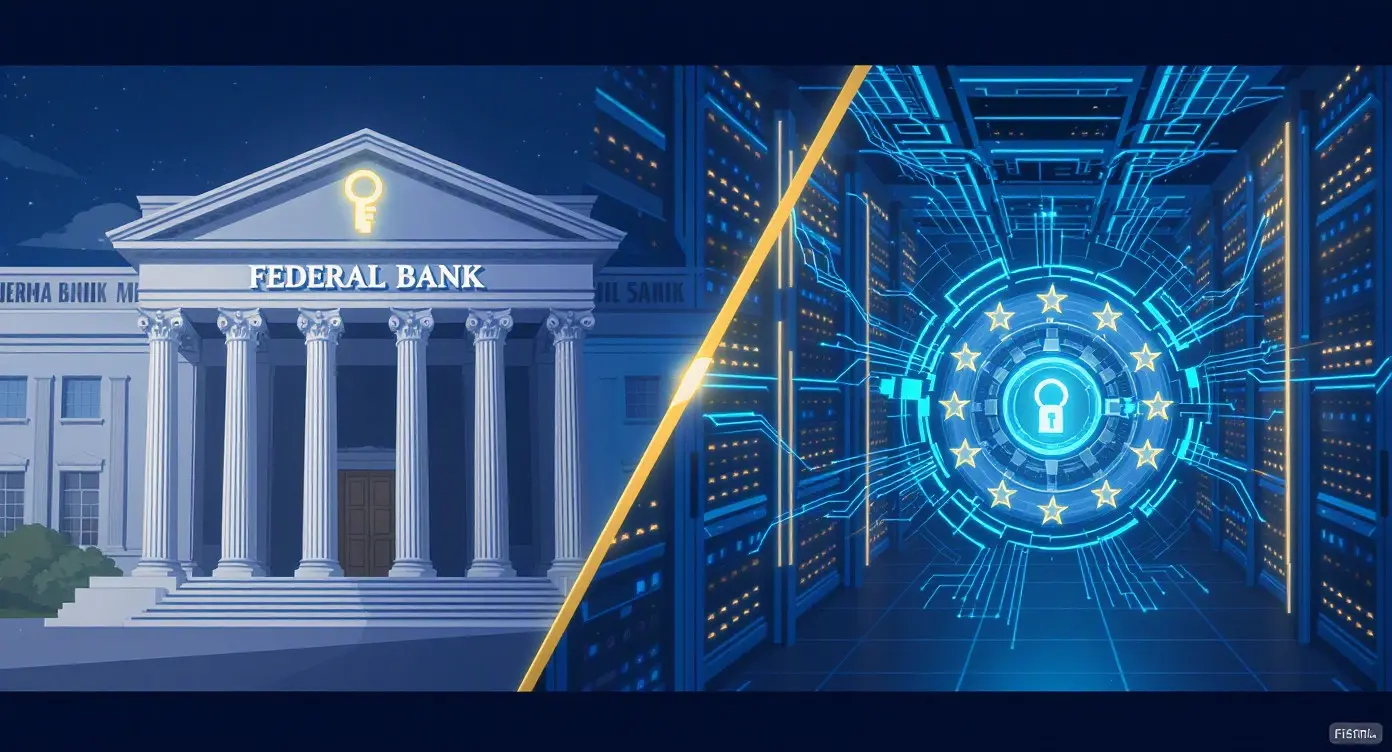
The regulatory landscape for digital assets is shifting rapidly on both sides of the Atlantic. In the United States, the Trump-backed DeFi project World Liberty Financial is reportedly close to securing a federal trust charter from the Office of the Comptroller of the Currency (OCC). Meanwhile, in Europe, institutional custodian BitGo has launched a MiCA-compliant infrastructure solution to throw a lifeline to crypto firms struggling to meet the European Union's strict July 1 compliance deadline.
World Liberty Financial’s push for an OCC federal trust charter is a major step forward for domestic stablecoin operations. If approved, the charter would allow the project to operate a regulated trust bank, enabling it to custody digital assets and issue stablecoins with federal backing. This move bypasses state-by-state licensing hurdles and positions the politically connected project to compete directly with established players like Circle and Tether, signaling a deeper integration of decentralized finance with federal banking infrastructure.
Across the pond, BitGo is capitalizing on Europe's regulatory crunch. With the Markets in Crypto-Assets (MiCA) framework set to take full effect on July 1, reports suggest up to 75% of European crypto firms are unprepared and risk losing their licenses. BitGo's new infrastructure-as-a-service offering allows these firms to leverage BitGo's existing regulated entities in Germany and Switzerland to remain compliant, preventing a massive disruption in service for millions of European users.
For market participants, these developments represent a significant reduction in structural risk. The potential federal chartering of World Liberty Financial shows that even controversial DeFi projects are seeking top-tier regulatory legitimacy, while BitGo's compliance bridge ensures that European market liquidity won't dry up overnight. Investors and builders should view this as a net positive, indicating that the industry is maturing into a highly regulated, institutional-grade ecosystem rather than facing a blanket shutdown.