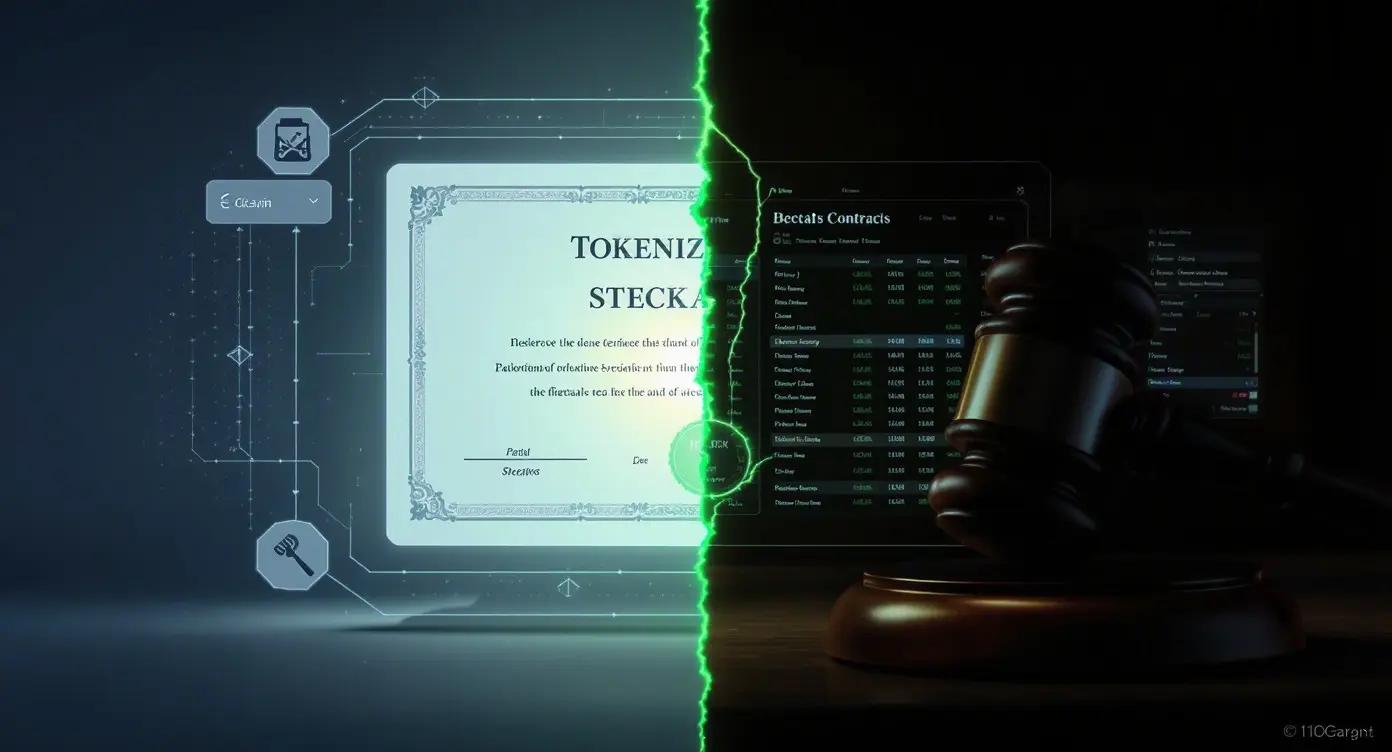
The U.S. digital asset landscape is experiencing a sharp divergence as federal regulators move to ease barriers for tokenized assets while state authorities launch aggressive crackdowns on breakout crypto sectors. Specifically, the SEC is reportedly planning an "innovation exemption" to let crypto exchanges host tokenized U.S. stocks without traditional broker licenses, even as Kentucky files a lawsuit against top prediction markets Polymarket and Kalshi.
The SEC's proposed "innovation exemption" represents a significant pivot toward accommodating real-world asset tokenization. By allowing platforms to list tokenized public equities without the massive regulatory and capital hurdles of a full broker-dealer license, the agency could dramatically accelerate the merger of traditional finance and Web3. This could unlock 24/7 trading and instantaneous settlement for everyday retail investors.
In stark contrast, state-level authorities are tightening the screws. Kentucky’s lawsuit against Polymarket and Kalshi directly challenges the legality of high-volume prediction and event-betting markets. This state-level offensive proves that even if federal agencies soften their stance or offer regulatory carve-outs, local prosecutors can still disrupt major Web3 business models.
This dual-track reality represents a mix of long-term structural upside for tokenization platforms and immediate regulatory risk for prediction market users. For market participants, the takeaway is clear: federal compliance is no longer a shield against localized state enforcement. This development matters most to DeFi builders, prediction market traders, and institutions eyeing real-world asset integration.