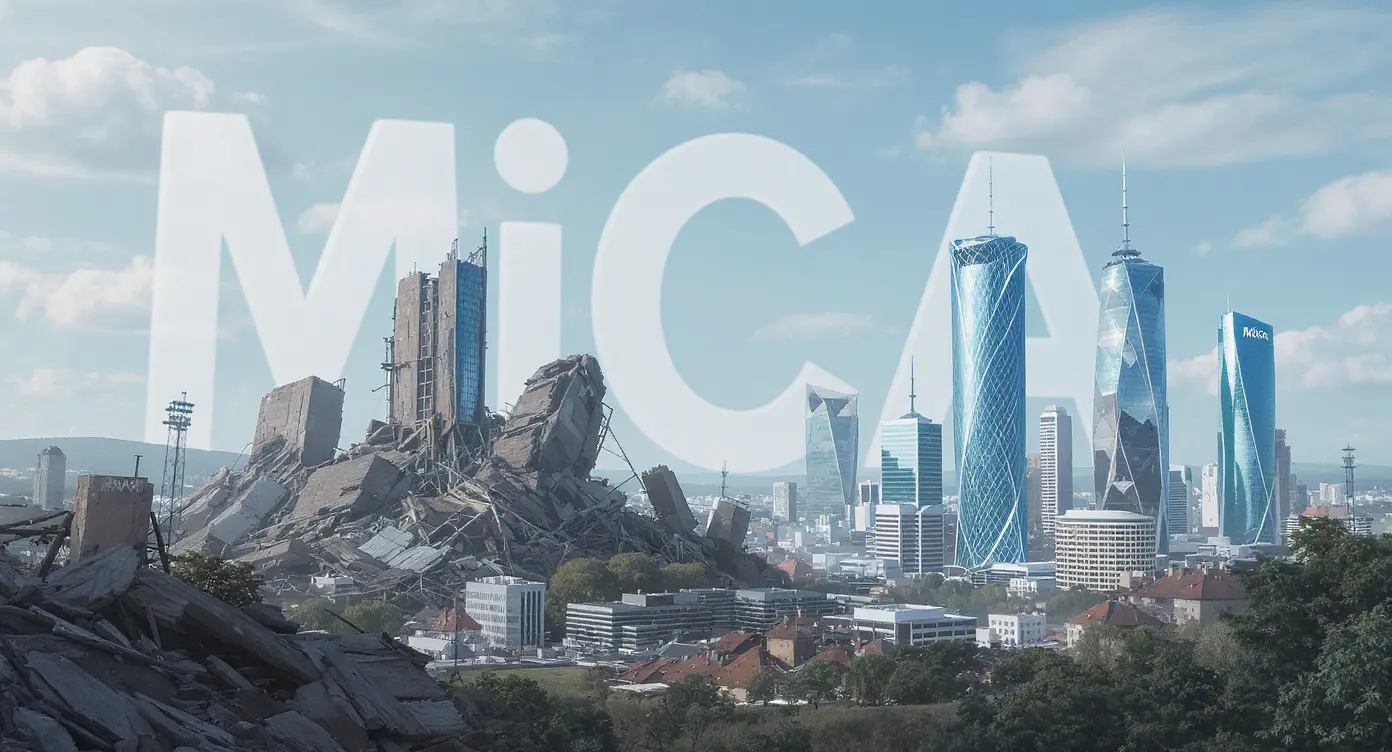
The European Union's Markets in Crypto-Assets (MiCA) regulation is set to dramatically reshape the digital asset landscape, with a major exchange executive warning that up to 80% of crypto exchanges may not survive the July 1 deadline. This stark outlook from OKX Europe's General Manager highlights the immense pressure on firms to secure proper licensing and adhere to stringent operational standards, intensifying the compliance cliff facing the industry.
As the MiCA framework fully takes effect, firms like Ripple have successfully navigated the preliminary approval process, signaling a clear path for large, established players. However, the vast majority of smaller and less prepared exchanges are struggling to meet the new requirements for consumer protection, market integrity, and robust financial operations. This impending consolidation means fewer, but more regulated, options for users and a significant weeding out of non-compliant entities.
Amidst this regulatory tightening, venture capital continues to flow into the Web3 space. Social crypto trading application Fomo recently raised $75 million, demonstrating ongoing investor confidence in consumer-facing innovation. This funding round suggests that while the regulatory environment matures and consolidates, there remains substantial capital ready to back projects focused on user engagement and new product development.
Overall, the market is signaling a dual trend: a substantial reduction in the number of operational crypto businesses in Europe due to regulatory hurdles, alongside continued investment in innovative, user-centric platforms. This looks like a significant downside for unprepared firms and a short-term market shake-up, but long-term upside for compliant, well-funded projects and users seeking regulated services. Market participants, especially those in the EU, should prepare for a more structured but potentially less diverse market landscape.