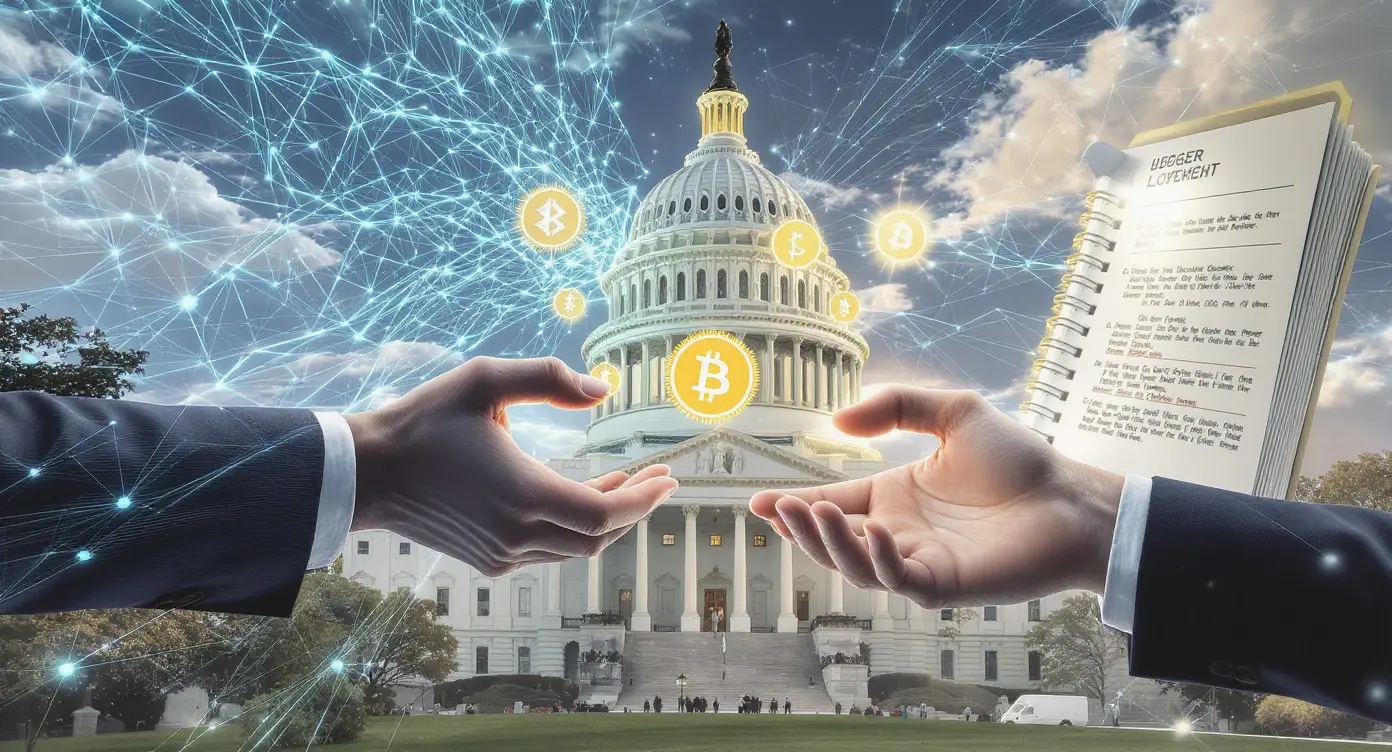
The U.S. Senate is making significant headway on comprehensive digital asset legislation, with Senator John Thune preparing to advance the "Clarity Act" for a vote. This marks a pivotal moment for the industry, as the United States moves closer to establishing a federal framework for crypto, potentially ending years of regulatory uncertainty. Such a development could unlock massive institutional capital and provide much-needed legal clarity for builders and businesses operating within the U.S. market.
Globally, stablecoins are seeing increasing real-world adoption, with African payment providers now bypassing traditional SWIFT networks for faster, cheaper settlement using digital currencies. Asia is also accelerating its stablecoin push, exemplified by SBI's launch of a Japanese Yen-backed token and Russia drafting new rules. However, the Bank for International Settlements (BIS) has issued a stark warning, cautioning that stablecoins could fragment the global financial system and pose systemic risks, especially for emerging markets, highlighting the critical balance between innovation and regulatory oversight.
Meanwhile, real-world asset (RWA) tokenization continues its quiet march into mainstream finance. Ondo Finance, a key player in this space, has captured over half of BNB Chain's substantial $5 billion tokenized stock volume, with major institutional players like BlackRock also actively exploring this frontier. This trend signifies concrete progress in bridging traditional finance with blockchain technology, making illiquid assets accessible to a wider range of investors.
Overall, the advancement of U.S. crypto legislation presents a significant upside for market clarity and institutional engagement. Growing stablecoin utility offers practical benefits for payments, but the BIS warning underscores ongoing regulatory risks. RWA tokenization represents a long-term upside for market structure. All market participants, especially those in the U.S. and those utilizing or holding stablecoins, should pay close attention to these evolving landscapes.