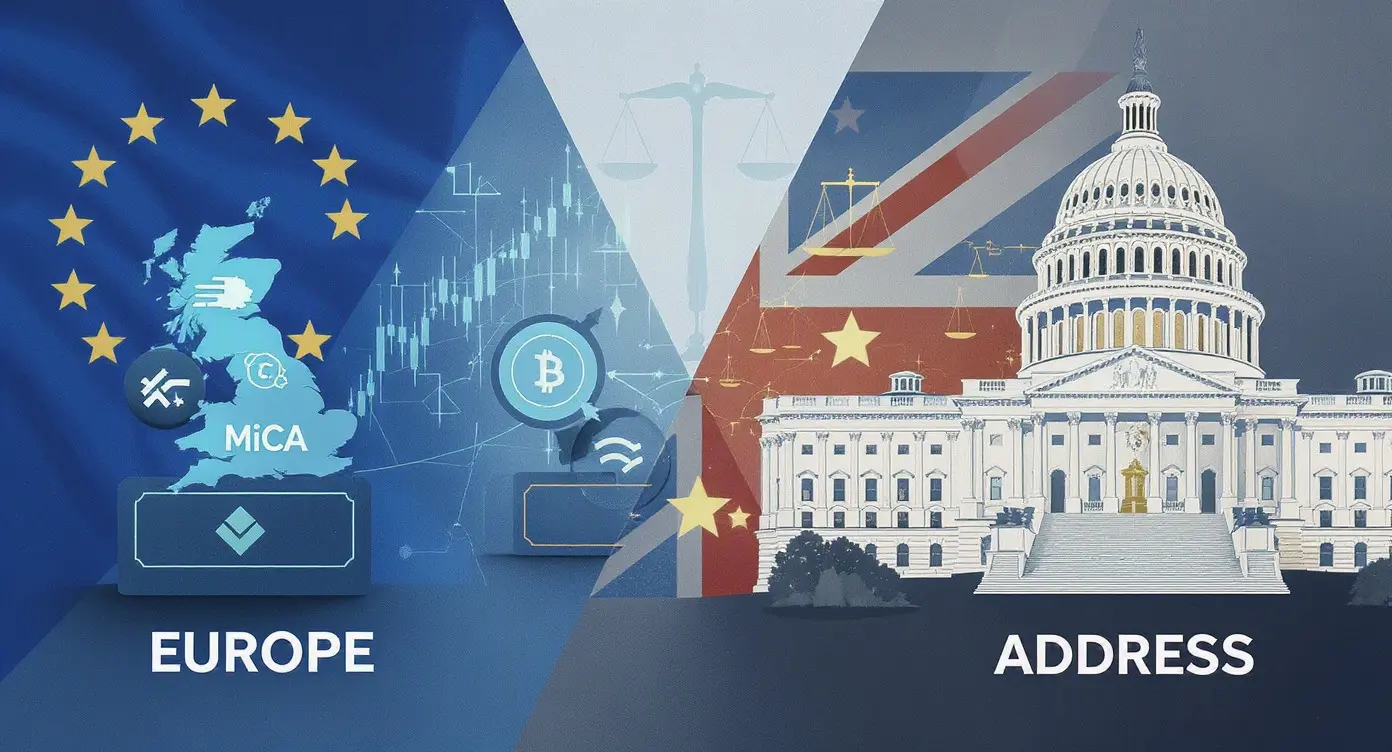
Revolut, a major European fintech platform, is delisting Tether’s USDT for its European customers by August 31st, marking a significant ripple effect from the EU’s new Markets in Crypto-Assets (MiCA) regulation. This move forces users to convert or withdraw their USDT, underscoring the immediate commercial impact of MiCA’s stringent stablecoin compliance requirements. While MiCA aims to provide regulatory clarity, it is also forcing platforms to make tough choices, directly affecting the accessibility of certain digital assets for millions of users across Europe.
Meanwhile, the UK Financial Conduct Authority (FCA) has introduced new stablecoin regulations, notably lowering the capital threshold for stablecoin issuers. This seemingly contradictory move aims to boost the UK's position as a hub for digital assets by making it easier for compliant stablecoin projects to operate, potentially fostering innovation while maintaining consumer protection. This distinct regulatory approach from the EU suggests a competitive landscape emerging between major financial centers for digital asset leadership.
Across the Atlantic, a key US law enforcement group has reportedly withdrawn its opposition to the 'CLARITY Act,' a bill designed to provide a clear legal framework for digital assets. This development is a significant step towards bipartisan consensus on crypto regulation in the United States, potentially paving the way for more predictable rules for market participants and builders. Reduced regulatory uncertainty in the US could unlock substantial institutional investment and innovation.
Overall, these developments highlight a global landscape where regulatory frameworks are rapidly evolving. While some actions, like Revolut's delisting, create immediate friction for users, others, such as the UK's new thresholds and progress on the CLARITY Act, point towards a future of greater clarity and institutional integration. Market participants, especially those using stablecoins or operating in Europe and the UK, should closely watch these evolving rules, as they will directly shape access and operational viability.