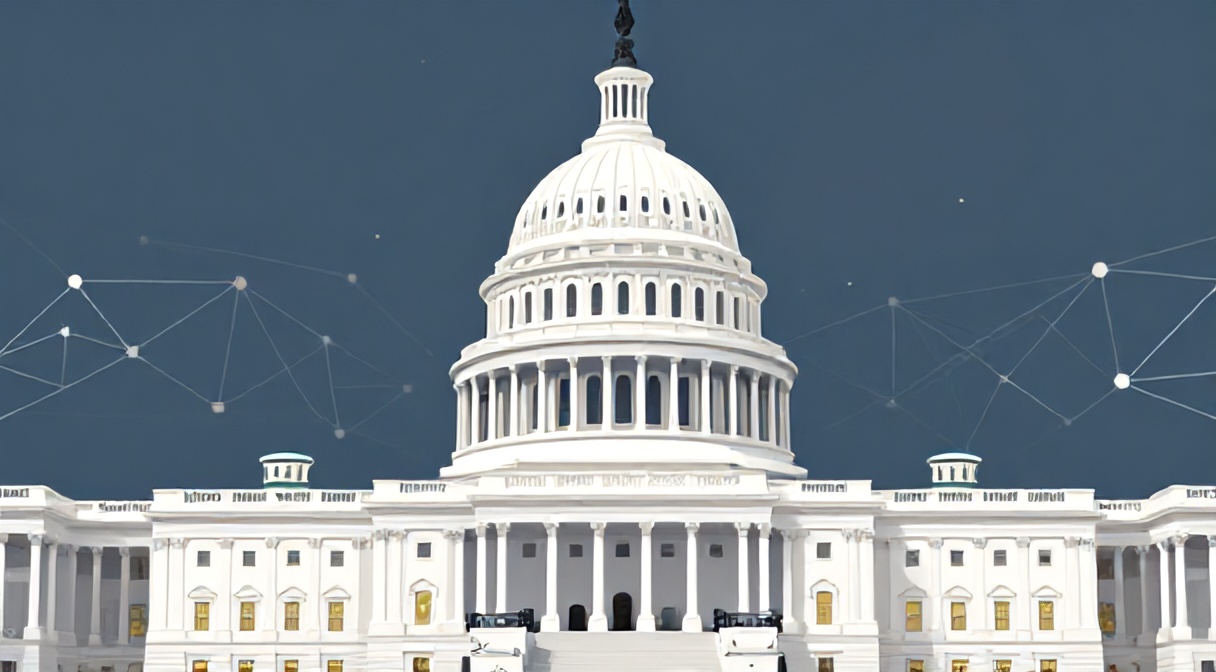
The U.S. regulatory landscape for digital assets is reaching a critical inflection point as the Senate Banking Committee prepares to hold a markup session for the Digital Asset Market Clarity Act (CLARITY Act) on May 14. This legislative milestone aims to resolve the long-standing "securities vs. commodities" debate that has stifled institutional participation and created significant legal friction for U.S.-based crypto firms. By formalizing the rules of the road, the bill intends to provide a framework for digital asset classification, potentially reducing the reliance on "regulation by enforcement" that has defined the SEC’s approach for years.
While the legislative process is moving forward, the broader regulatory environment remains complex. Regulators and industry leaders are actively debating specific provisions, including how to handle tokens deemed "risky" and the necessity for tailored rules that account for the unique nature of on-chain trading. Meanwhile, traditional financial gatekeepers and crypto-native exchanges are simultaneously attempting to bridge the gap into the regulated banking system, signaling that even as the legislative debate unfolds, the infrastructure for institutional-grade digital asset services continues to mature.
For market participants, this development is a high-priority signal of potential risk reduction. If the bill advances successfully, it could offer a clearer pathway for institutional capital and product development in the U.S. market. However, the legislative process is rarely linear, and the outcome remains subject to intense lobbying and political negotiation. Investors should treat the May 14 session as a primary indicator of the future regulatory climate. Whether this results in a supportive framework or increased oversight remains to be seen, but the era of total regulatory ambiguity is clearly beginning to fade.