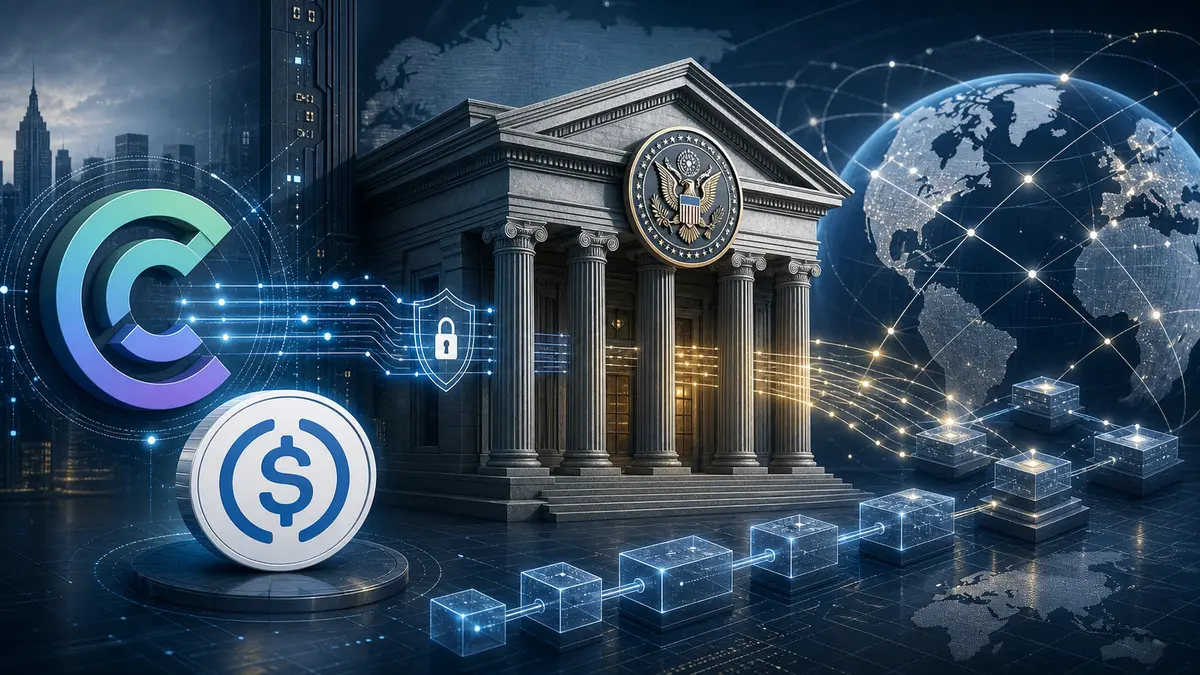
The digital asset ecosystem saw a significant leap toward mainstream financial integration today as stablecoin issuer Circle received final approval to launch its own crypto-focused national trust bank. This landmark move by the Office of the Comptroller of the Currency (OCC) positions Circle to offer fully regulated digital asset services, potentially solidifying the trust and utility of its USDC stablecoin within the traditional banking system.
With this national trust bank charter, Circle can now operate as a regulated financial institution, directly holding reserves and offering custody services for digital assets under federal oversight. This is a major step for stablecoins like USDC, providing greater assurance of their backing and operational integrity. For market participants, this means a more secure and compliant on-ramp and off-ramp between digital assets and traditional currency, reducing counterparty risk and fostering broader institutional adoption.
In parallel, the global financial messaging network SWIFT launched its new blockchain-based ledger for 24/7 settlement, marking a major upgrade to traditional cross-border payments. While not directly a crypto network, SWIFT's adoption of distributed ledger technology (DLT) for real-time gross settlement demonstrates a clear move by legacy finance towards the efficiencies offered by Web3 innovations. This initiative could pave the way for faster, more transparent, and always-on global transactions, eventually streamlining how digital assets interact with the broader financial world.
Both developments signal a strong upside for the long-term maturation and integration of digital assets into global finance. Circle's bank charter is a direct win for regulatory clarity and institutional confidence in stablecoins, reducing operational risk for users and businesses. SWIFT's move, while incremental for crypto, is a powerful indicator that the underlying technology of Web3 is becoming indispensable for the future of finance. Market participants, institutional investors, and stablecoin users should pay close attention as these developments lay critical groundwork for future growth and reduced friction.